Nigeria intensifies tuberculosis response to close detection gaps
Abuja, Nigeria – With technical support from the World Health Organization (WHO), Nigeria is closing tuberculosis (TB) detection gaps, expanding access to testing and treatment, and strengthening services for vulnerable populations.
A case that shows the impact
In Nasarawa State, 21‑year‑old Gwamkat Rifkatu (name changed) developed a persistent cough that her family initially dismissed as minor. Weeks passed without improvement, leaving her weak and unable to work.
During a visit to a friend, she heard a radio jingle part of a WHO‑supported awareness campaign urging anyone with a cough lasting more than two weeks to seek testing. The next morning, she went to the nearest primary health centre.
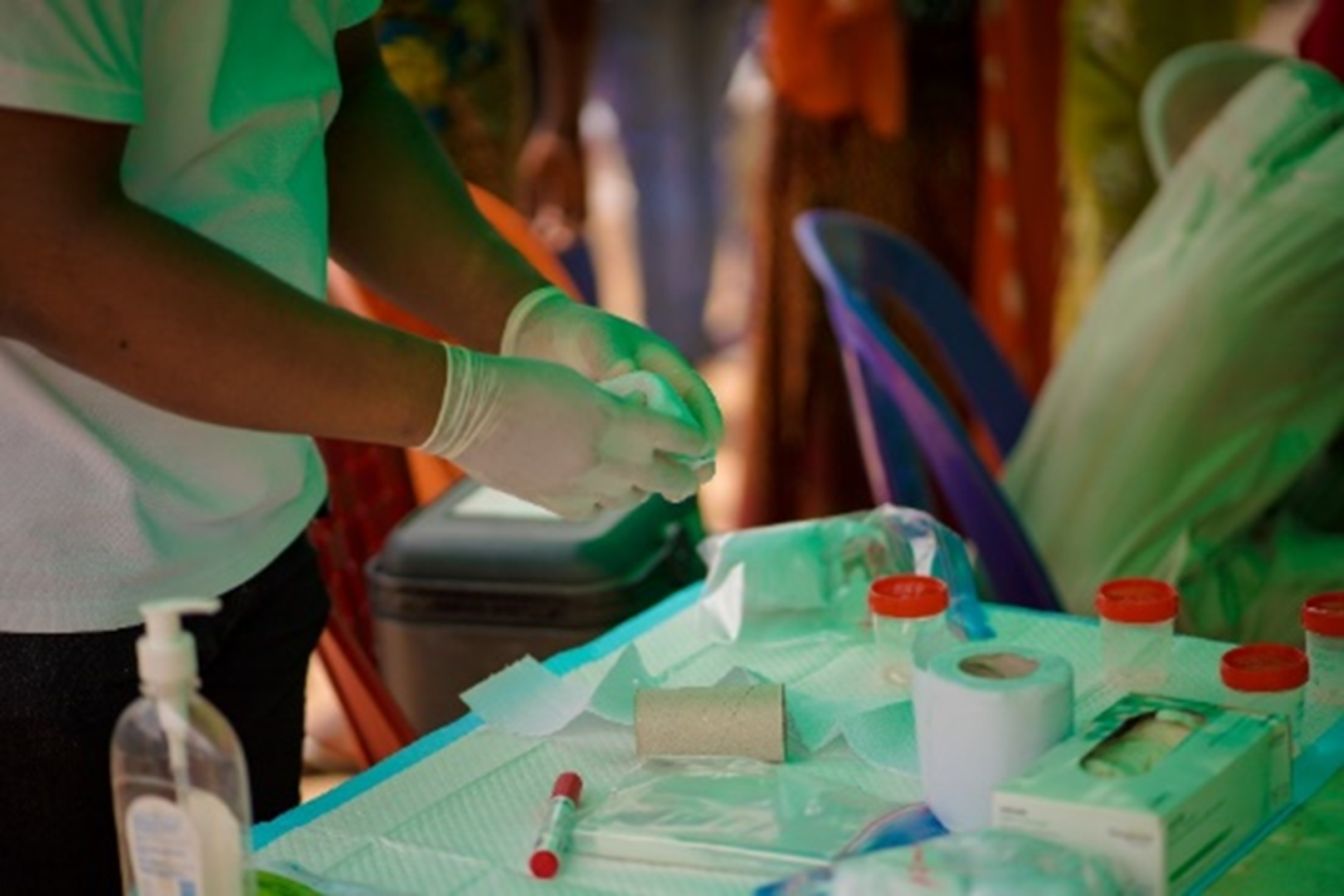
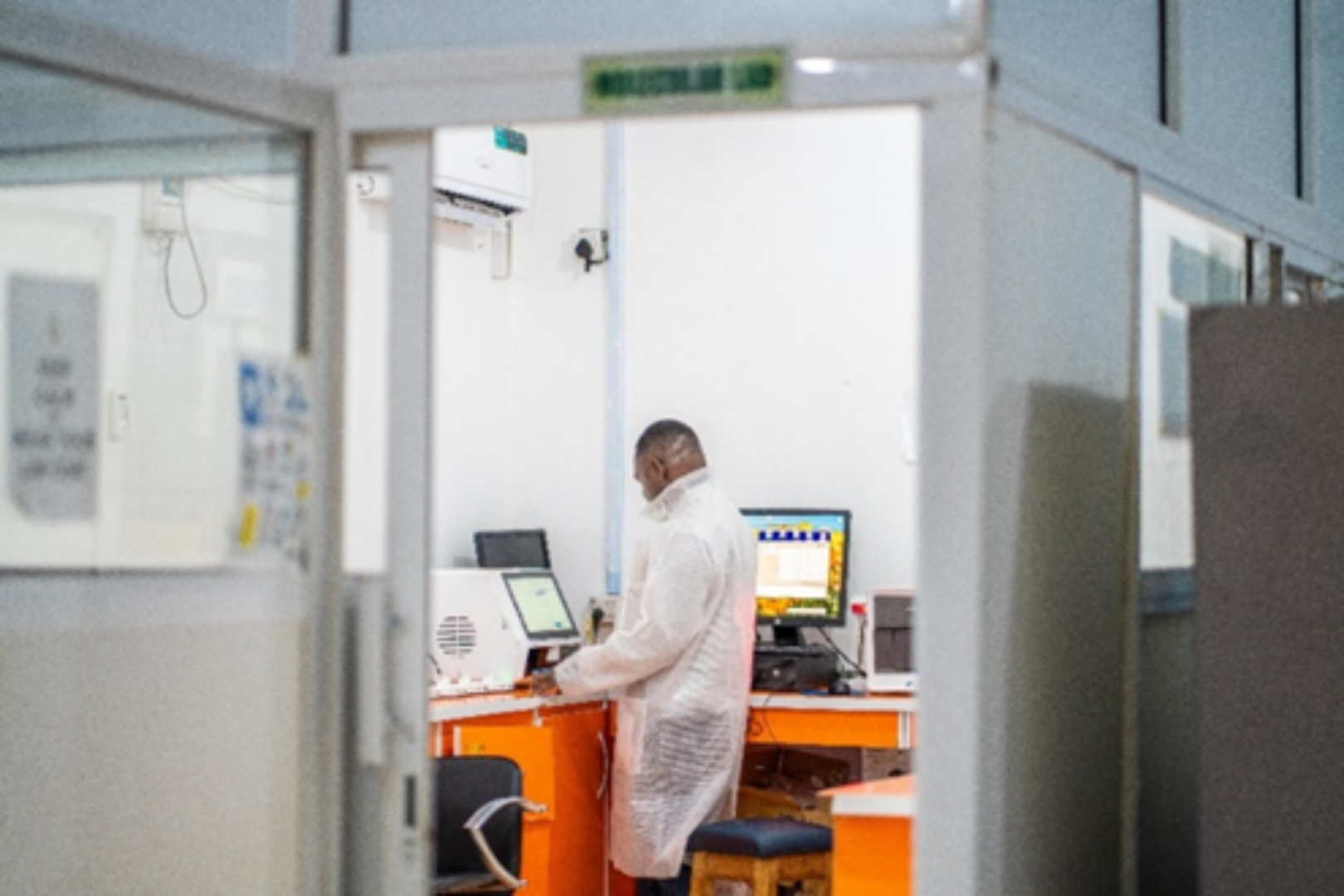
Her sputum sample was tested using GeneXpert, a rapid testing tool that has been scaled up nationwide with WHO technical guidance and partner support. Within two hours, she was diagnosed with TB and immediately started treatment under Nigeria’s national programme
Health workers, trained through WHO‑supported initiatives, screened her household and provided preventive therapy to those at risk. Months later, Gwamkat recovered and returned to work.
Her experience reflects broader progress. Across Nigeria, more people are now being reached with testing and treatment, contributing to increased case detection, including among women and children who are often missed.
TB remains a major health challenge
TB is preventable and treatable, yet it continues to cause significant illness and death globally. In 2024, an estimated and around 1.23 million died
In Nigeria, the burden remains high. The 2025 WHO Global TB Report estimates about 2025 WHO Global TB Report estimates about 510,000 new cases annually, including 61 000 children. One untreated TB case can infect 12–15 people in a year
In 2025, a total of 458 534 TB cases were reported, reflecting improved case detection nationwide. Of these, 57% (262 058) were male and 43% (196 476) were female.
Children aged 0–14 years accounted for 10% (46 952) of all notified TB cases. Among these childhood cases, 56% (26 173) were male and 44% (20 779) were female, underscoring the need to strengthen paediatric TB detection and services.
Encouragingly, global efforts have saved an estimated 83 million lives since 2000
Expanding detection and treatment
Nigeria’s response is led by the Federal Ministry of Health and Social Welfare through the National Tuberculosis, Buruli Ulcer and Leprosy Control Programme (NTBLCP), with support from WHO, the Global Fund and partners.
Case detection has improved significantly. In 2018, 106 533 TB cases were reported. By 2025, notifications rose to 458 534, with more than 80% of estimated cases detected
At a pre‑World TB Day briefing, the Coordinating Minister of Health and Social Welfare, represented by the Director of Public Health, Dr Charles Nzelu, reaffirmed the government’s commitment to expanding diagnostic access, strengthening domestic financing and scaling up community‑based interventions.
Community screening, hotspot mapping and awareness campaigns supported by WHO are central to these gains and are helping to reach underserved populations, including women and children.
Margaret Ogbole, a health worker at a TB Directly Observed Therapy clinic in Nasarawa State, said, “We are seeing more patients, including women and children who previously did not come forward. With steady supplies of testing kits and medicines, we can diagnose early and start treatment quickly.”
Remaining gaps
Despite progress, about 63 000 TB cases remain undetected annually, sustaining transmission. Multi‑drug‑resistant TB (MDR‑TB), TB‑HIV co‑infection, stigma and limited access to testing in underserved areas remain major challenges.
The economic burden is also significant. About 71% of TB patients and their households face catastrophic costs, driven by lost income and out‑of‑pocket spending
With declining external funding, increased domestic investment is essential to sustain progress and ensure uninterrupted access to TB services.
Ending TB will require coordinated action beyond health, including social protection, housing, labour and education, supported by strong accountability mechanisms.
Innovation and access
WHO is supporting Nigeria to adopt innovations that bring services closer to communities. Newly recommended simplified sampling methods and faster testing are improving access
WHO is also supporting the Federal Government to develop guidelines to accelerate rollout of these tools, while strengthening frontline health worker capacity under Global Fund support.
In addition, WHO is supporting the development of Nigeria’s National TB Strategic Plan (2027–2031) to align with global best practices.
Globally, WHO and partners are advancing TB vaccine development through the TB Vaccine Accelerator Council, focusing on populations most affected.
Sustaining momentum
Nigeria marks 2026 World TB Day under the theme “Yes, we can end TB: led by the Federal Ministry of Health and powered by communities.”
The Cluster Lead, Health Promotion, Disease Prevention and Control (DPC) in Nigeria, Dr Mya Ngon, said, “Tuberculosis is preventable and curable, yet it continues to claim lives due to delayed testing and gaps in access to care. We must accelerate efforts to find missing cases, expand innovations and ensure equitable access to services.”
Frontline health workers, communities and partners remain central to progress. Anyone with a cough lasting two weeks or more should seek testing promptly.
Nigeria’s experience shows that progress is possible when government leadership is reinforced by WHO technical support. Sustained commitment, investment and collective action remain essential to detect every case, complete treatment and end tuberculosis as a public health threat.
Communications Officer
WHO Nigeria
Email: hammanyerok [at] who.int (hammanyerok[at]who[dot]int)